
Ask a team whether everyone is working, and the answer is almost always yes. And yet the deadline slips. The contradiction usually has nothing to do with performance — it is that waiting does not show up anywhere.
A task list does not show the order
A plain to-do list presents every item as equal. It does not reveal that row seven cannot even start until row two is closed. When row two slips by two days, row seven slips too — and nobody gets a signal about it.
The classic symptoms:
- someone is “ready to go” but has nothing to work on,
- a task sits in the same status for days and nobody notices,
- the weekly meeting reveals that two people were waiting on the same thing.
What dependencies solve
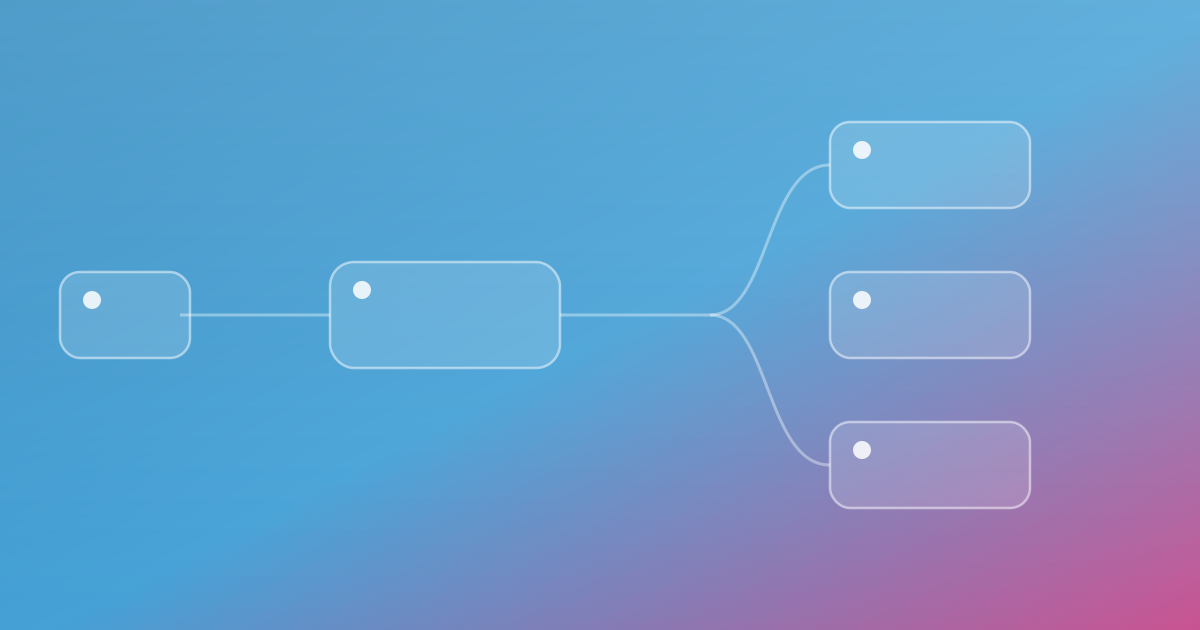
Once you record which further tasks a given task is holding up, the system does the rest: blocked tasks get a visible flag and keep it until the obstacle is cleared.
Two things change immediately. You no longer have to ask around about why something never started. And you see the reason for a delay while it happens, instead of reconstructing it afterwards.
Where to start
You do not have to map the entire project. Take the most common sequential process — onboarding, quoting, handover — and mark the real order there. The rest follows on its own.