
MyPro Sync
Knowledge base
Connected writing about team-level task management: how work is structured, what depends on what, and how progress becomes visible.
Topics
Pick a topic, or browse the latest articles below.
Task management
How work gets into the system, who owns it, and what happens to it until it is closed. This covers statuses, priorities, subtasks and ownership.
7 articles
Project management
The layer above tasks: planning, scheduling, deadlines and tracking progress. It is about how many small to-dos add up to a project you can follow.
8 articles
Task & project dependencies
What depends on what, who is waiting on whom, and what happens when something slips. From blocked tasks through the critical chain to Gantt dependencies.
7 articles
Team visibility & workload
How much work sits with whom, where there is free capacity, and how leaders keep sight of progress without micromanaging.
5 articles
Comparisons & alternatives
When a simple task list is enough, and when you need more. Tools compared from the angle of what actually matters to a team day to day.
5 articles
Latest articles

Comparisons & alternatives
Chat vs. Task Management: Where Should Your Team's Tasks Live?
Chat is for quick coordination. A task management tool is for tracking commitments. Here is what each one is good at, when chat is enough, and how to make the two work well together.
Read more
Task management
How to Prioritize Tasks as a Team
Good prioritization rests on two questions: how important a task is and when it has to be done. Here is how to turn that into a simple system the whole team follows the same way.
Comparisons & alternatives
Kanban Board vs. Task List: Which View Is For What?
A task list is good for sorting and scanning lots of tasks. A Kanban board is good for following how work flows. You do not have to choose if you can see the same set of tasks in both views.

Task & project dependencies
Late vs. Blocked Task: What Is the Difference and Why It Matters
A late task could move forward but is not moving fast enough. A blocked task cannot move because it is waiting on something else. They need different handling, and mixing them up sends you looking for the fix in the wrong place.
Task & project dependencies
How to Manage Task Dependencies Throughout a Project
Dependency management is not a one-time mapping exercise but ongoing work. You record the links, give every handoff an owner, and update them whenever the plan changes.
Task management
Priority vs. Urgency: Why It Hurts When Everything Is Urgent
Urgency tells you how much time a task has. Priority tells you how much it matters. When the two blur together, the team works on the loudest requests instead of the most important ones.

Project management
How to Create a Project Schedule Step by Step
A project schedule tells you when each task starts and ends. In five steps we show how to turn a task list into a realistic schedule that survives the first change.
Project management
How to Track Project Status and Spot Delays Early
Project tracking is not about counting finished tasks but about whether the project is holding its course. Here is what to watch and which early signs point to a delay.

Team visibility & workload
How to Recognize When a Team Member Is Overloaded
Overload rarely shows up as one obvious signal. It builds from small patterns that you notice once you know what to look for and have something to compare against.
Team visibility & workload
What Is Team Capacity and How Is It Different From Workload?
Capacity shows how much time is available. Workload shows how much work is waiting. Comparing the two tells you whether the plan is realistic, and why planning for one hundred percent backfires.

Comparisons & alternatives
Should Team Tasks Live in Email or a Task Manager?
Email is good for communication but weak for tracking tasks, because it shows no owner, no status and no overview. We compare the two and show when email is enough and when it is worth switching to a task manager.
Task management
What Task Statuses Does a Team Need?
Most teams only need three basic statuses, and a new one is worth adding only when it marks a real handoff or a wait. Here is how to build a status system your team will actually use.
Task & project dependencies
What Types of Task Dependencies Are There?
Task dependencies are usually grouped in two ways. One describes how two tasks connect in time, the other describes what causes the dependency. Here is when each type occurs and which one to start with.

Project management
When Does Work Count as a Project?
Work is a project when it has a clear start and end, produces a unique result and needs several people to coordinate. Here is how to tell a project apart from day-to-day operations, and why the distinction matters for planning.
Team visibility & workload
What Is Team Visibility?
Team visibility means you can see without asking who is working on what, where the work stands, what is stuck and how loaded each person is. Here is what it is made of, how it differs from control, and how to build it.
Comparisons & alternatives
Spreadsheet or Task Management Software for Your Team's Tasks?
A spreadsheet works well as long as few people use it and someone keeps it tidy. When updating it becomes a job in itself, or tasks start waiting on each other, it is time to move to task management software.

Task management
Who Should Own a Task?
Every task needs one main owner who is responsible for getting it done. Others can contribute, but the task's fate rests with one person. Here is how to choose who that should be.
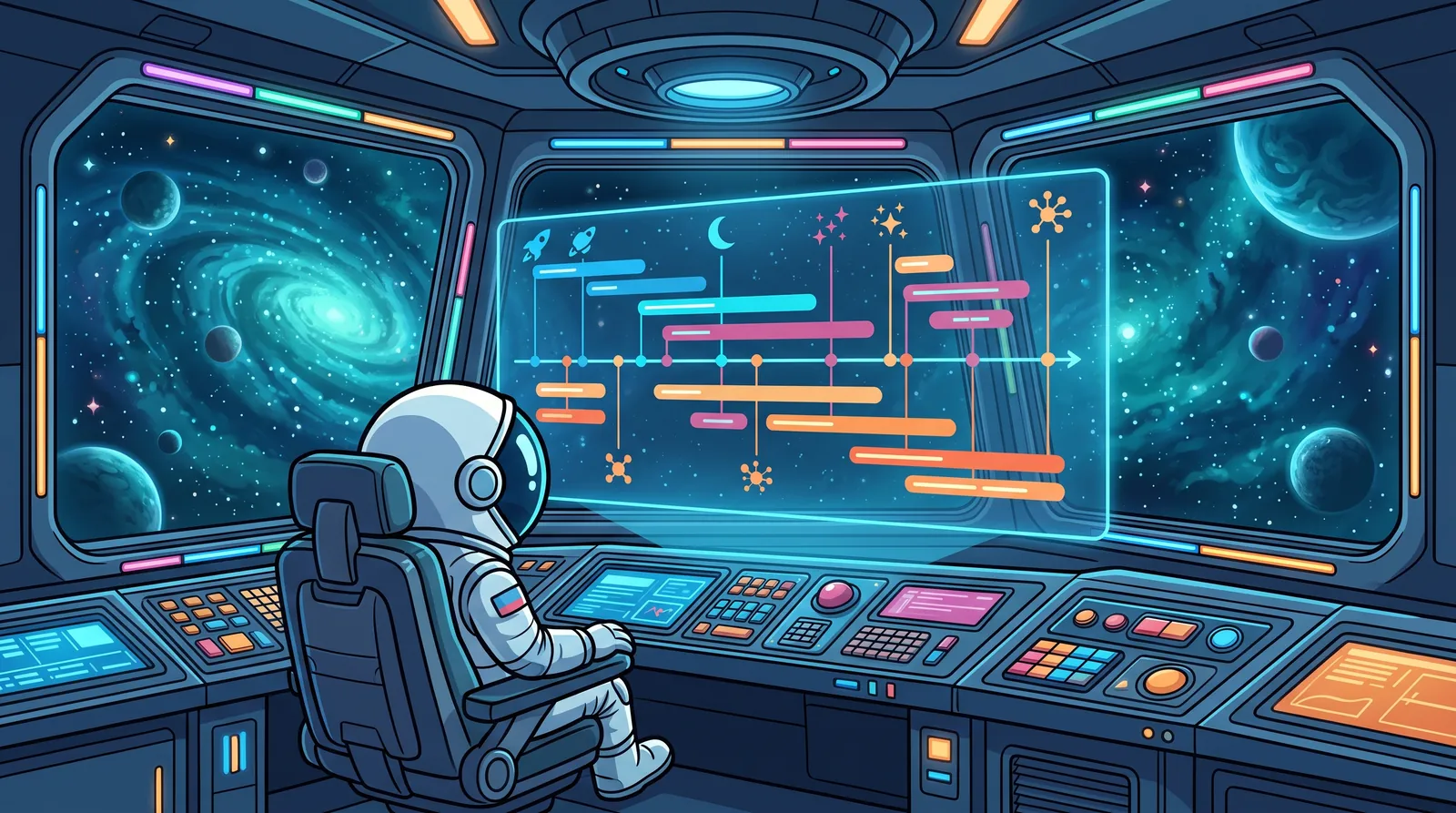
Project management
What Is a Gantt Chart and When Should You Use One?
A Gantt chart is a timeline where each task is a horizontal bar. It shows when each task starts, how long it takes and what runs in parallel. It is most useful for multi-step projects with deadlines.

Team visibility & workload
What Is Workload and Why Counting Tasks Isn't Enough
Workload is the amount of work assigned to someone in a given period, measured against the time they actually have. The number of tasks says little about it. Here is what to look at instead.

Task & project dependencies
When Should You Create a Dependency Between Two Tasks?
When the second task genuinely cannot start or finish without the first. Any other ordering is fine to agree on informally. Here is how to draw the line.

Task management
How to Break a Large Task into Smaller Tasks
A large task is worth breaking down when it takes several days, involves several people, or nobody can tell where it stands. Here is how to turn it, step by step, into a set of manageable tasks that can each be closed on their own.
Task management
What Does a Well-Structured Task Look Like?
A well-structured task tells you at first glance what needs doing, who owns it, when it is due, and how you will know it is finished. Here is what information it needs and where teams most often go wrong.
Task management
What Is Task Management?
Task management is how a team records its work, gives each task an owner, sets priorities, and tracks everything through to completion. Here is what it consists of, how it differs from project management, and when a team needs it.
Task & project dependencies
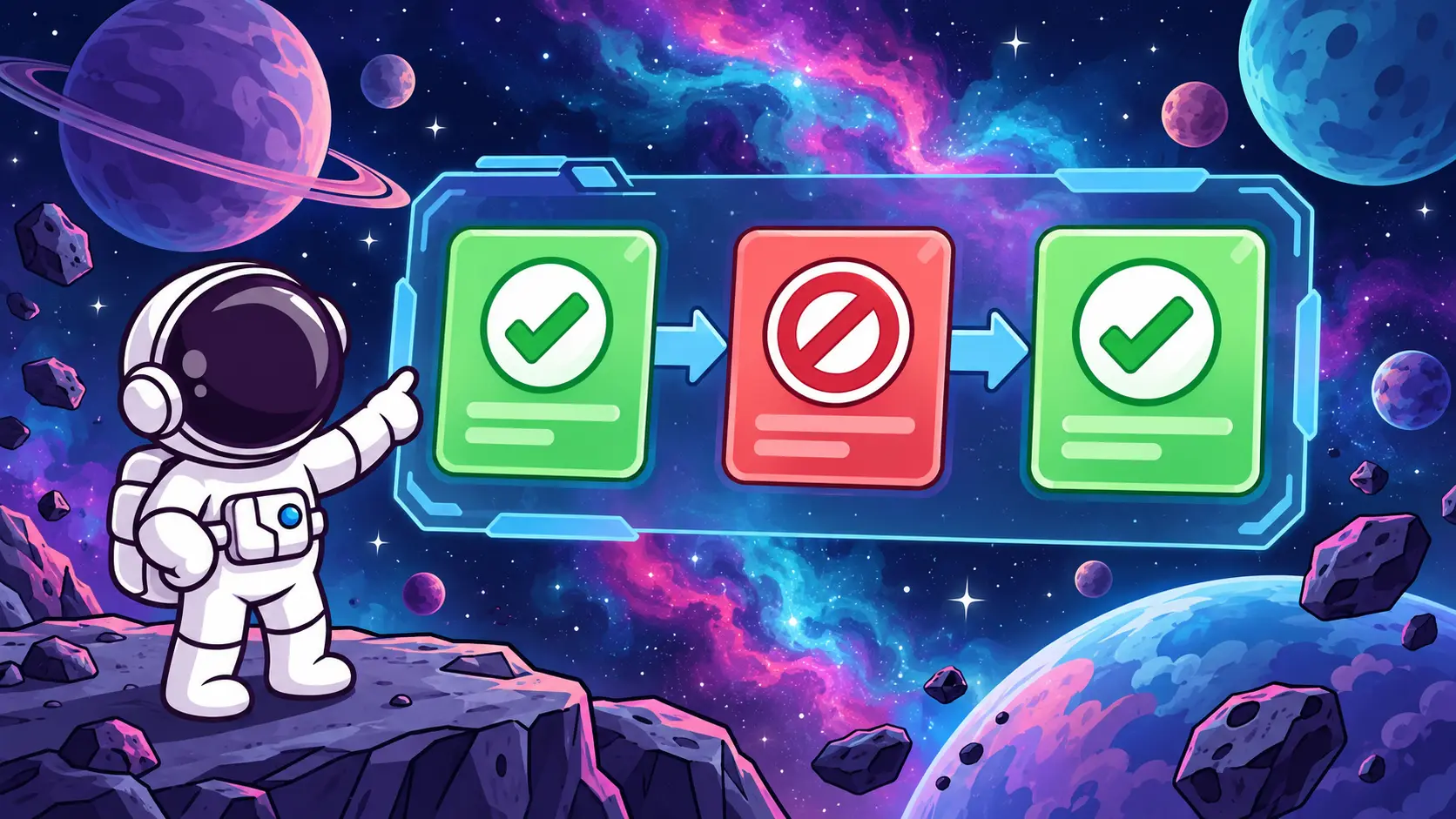
What Is a Blocked Task?
A blocked task is one that cannot move forward because it is waiting on another task. Here is how it differs from a late task, and what to do about it.

Project management
How to Estimate a Project's Duration
Accurate time estimation is a matter of method, not guesswork. Here is how to realistically assess how long tasks will take, and why most projects still run late.
Project management
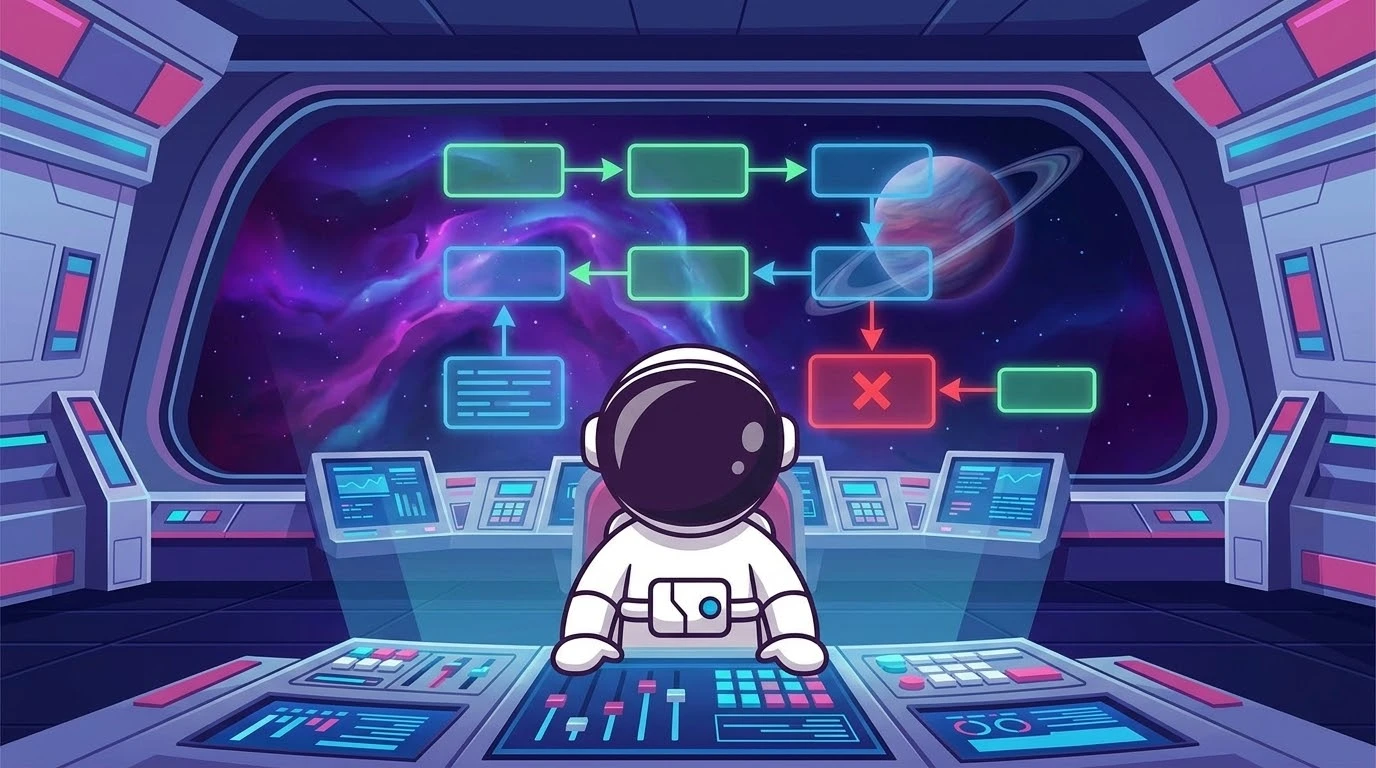
How to Plan a Project
The point of project planning isn't a perfect forecast. It's a reference point you can measure progress against. Step by step: goal, tasks, sequence, ownership, scheduling.
Project management
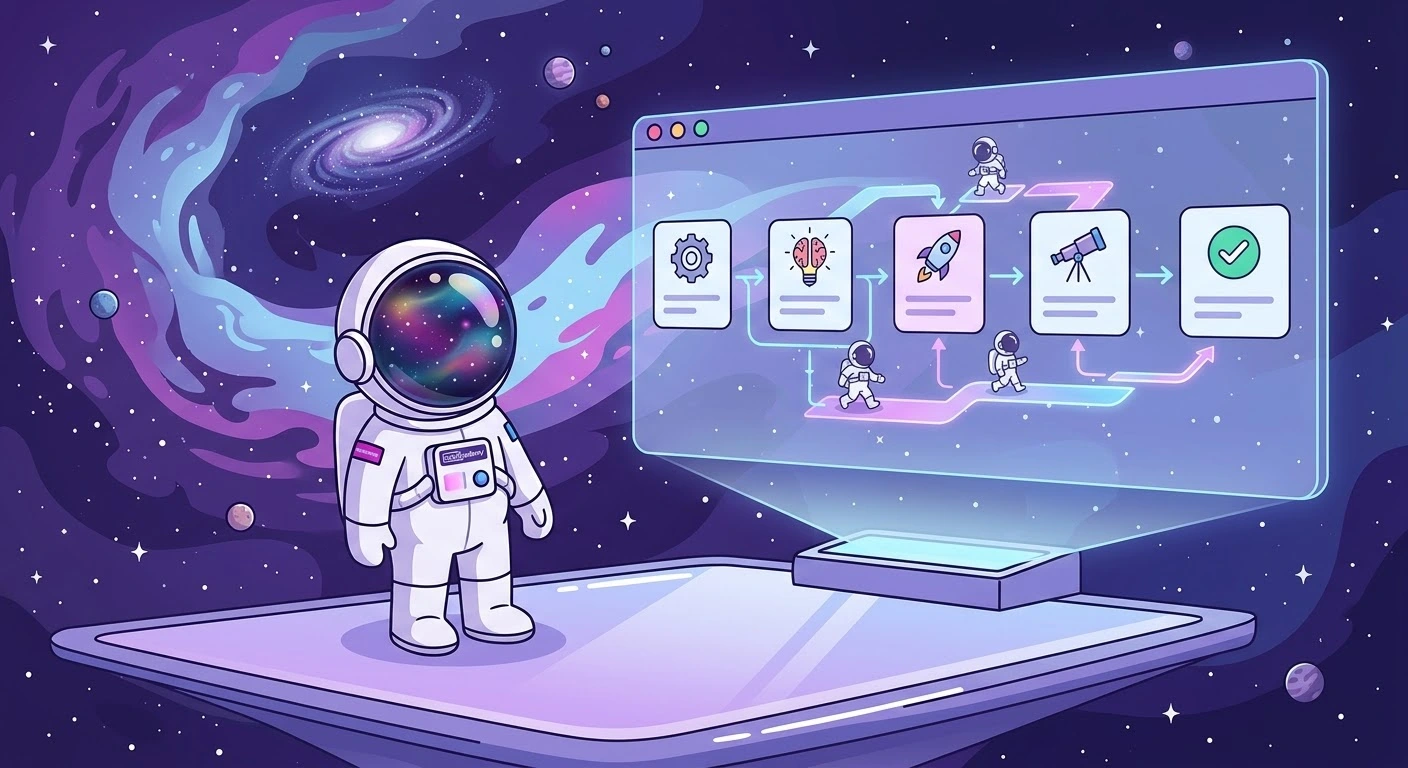
What's the Difference Between Project Management and Task Management?
Task management organizes who does what, right now. Project management determines how a team reaches a specific goal by a deadline. The two rarely separate cleanly — but mixing them up causes most planning problems.

Comparisons & alternatives
To-Do List vs. Task Management System: Which One Does Your Team Need?
A to-do list and a task management system solve different problems. Here's how to tell which one your team actually needs, and when to switch.
Task & project dependencies
What Is a Task Dependency?
A task dependency means one task's completion relies on another task's state. Here's when it's worth recording that relationship, and when it isn't.
Project management
What is project management?
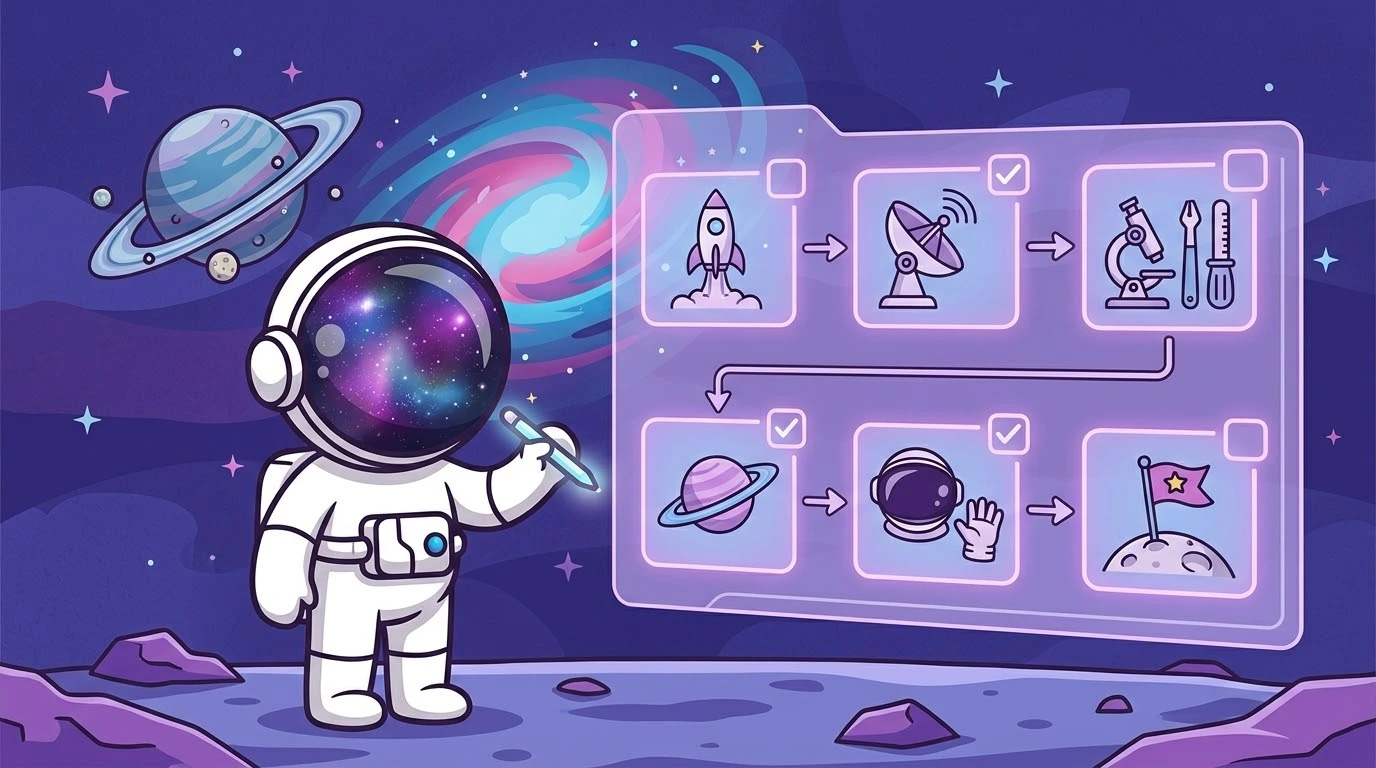
Project management is the coordinated planning of tasks, deadlines, and resources toward a specific goal. Here's what it actually consists of, and when a piece of work counts as a real project.
Task & project dependencies
Why do tasks slip when everyone is working?
Most teams are not late out of laziness. Waiting is invisible — and that is exactly what makes it expensive.
Team visibility & workload
Transparency without micromanagement
Leaders need visibility, teams need calm. The two are not mutually exclusive — if the system is set up well.